Categories
Deutsches Herzzentrum Charité

DHZC-TAVI-E-10 Sedentary lifestyle

A sedentary lifestyle is one where you do a lot of sitting (either in chairs or in vehicles), lying down and very little exercise.

According to the World Health Organization (WHO) a sedentary lifestyle has serious health side-effects and it is now considered to be amongst the ten leading causes of death and disability in the world.


It increases your risk of cardiovascular diseases, obesity, diabetes, high blood pressure and anxiety.

To help prevent the onset of these chronic diseases the WHO recommends that everyone should do up to 30 minutes of moderate, physical activity every day.  


The WHO also recommend avoiding smoking and eating healthily since smoking, excessive alcohol consumption and a diet that is high fat and sugar has been shown to make the effects of a sedentary lifestyle even worse.

Categories
Deutsches Herzzentrum Charité

DHZC-TAVI-E-09 Hypertension (high blood pressure)

High blood pressure, also known as hypertension, is another condition that can lead to the development of many heart diseases, including arterial stenosis.

The effects of hypertension are not always obvious and so it is important to monitor your blood pressure and, if necessary, take medications to lower it.


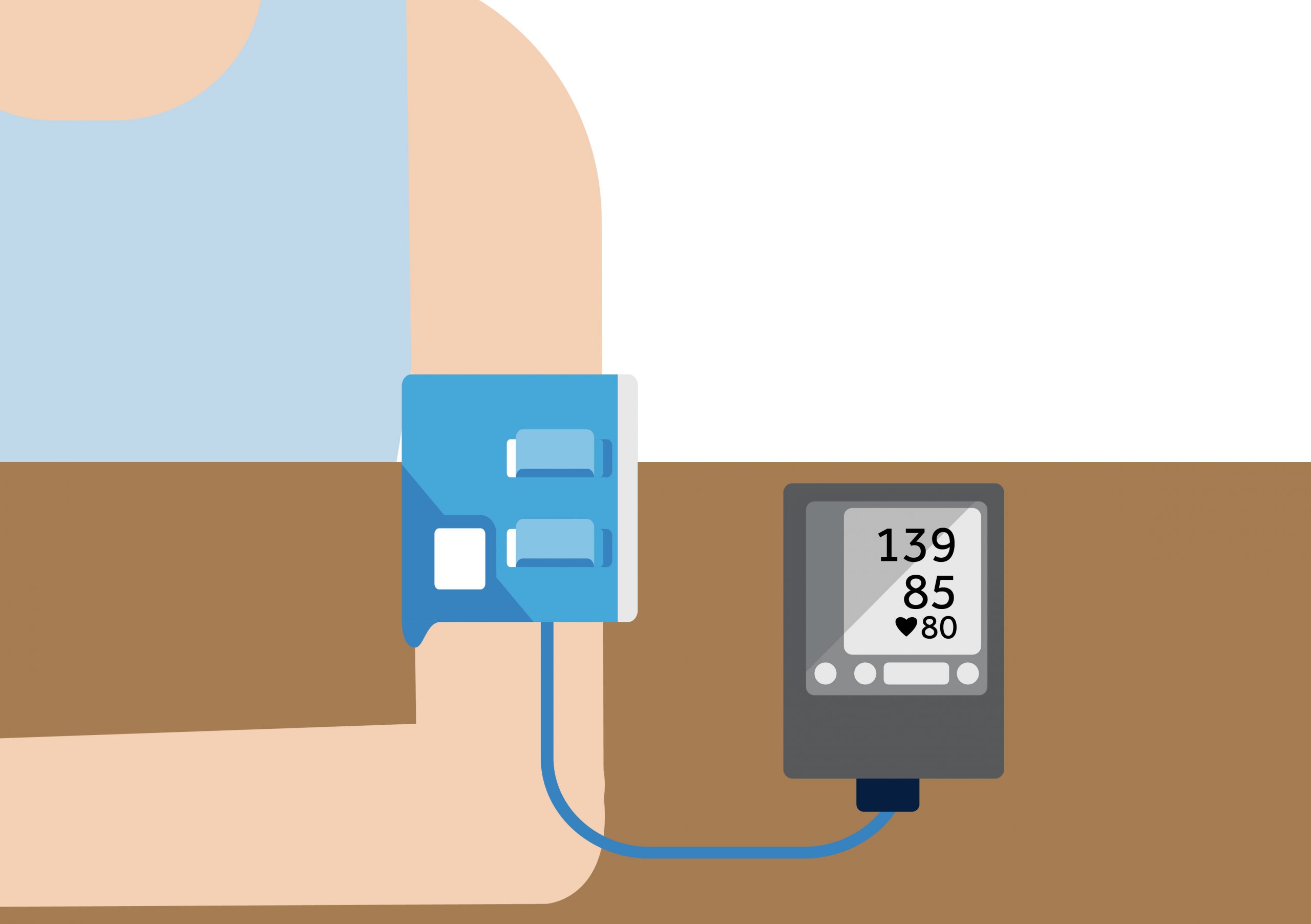
The blood pressure result is given as two numbers, one over the other in units called millimetres of mercury (mmHg). The systolic blood pressure is the larger number.

It is measured when your heart muscles contract during a heartbeat to squeeze blood out and around the body.

The second, lower number is the diastolic pressure. It is measured when your heart relaxes, in-between beats, to refill with blood ready for the next pump.


A typical blood pressure for a healthy adult is between 90/60 and 120/80 mmHg.

The higher your systolic blood pressure, the harder your heart is having to squeeze to move blood around your body. The higher your diastolic blood pressure, the less your heart is able to relax.

FOR LOCAL INPUT

For patients with aortic stenosis, the target blood pressure is XX/XXXmmHg.

Categories
Deutsches Herzzentrum Charité

DHZC-TAVI-E-08 Diabetes and pre-diabetes

Both type 1 and type 2 diabetes are independent risk factors for the development of many cardiovascular diseases, including valve stenosis.

his means that researchers have found strong links between diabetes and the development of heart disease.

Pre-type 2 diabetes is also known as ‘metabolic syndrome’. It is called this because the symptoms of metabolic disease are due to poor regulation of key metabolic functions like blood sugar levels or circulating fat levels.

If the control of your blood sugar levels fails, then you will develop diabetes. Type 2 diabetes is not always inevitable, though, especially if lifestyle changes can be made in time so that the body’s control of sugar levels is not lost. 


Unlike type 2 diabetes, type 1 diabetes (diabetes mellitus) is an autoimmune condition that occurs at any age. The development of type 1 diabetes is inevitable as the beta cells in your pancreas that produce a hormone called insulin are destroyed by your immune system.

This disease is linked to your genes, rather than your lifestyle, diet or advancing age. It requires treatment with insulin injections as well as careful management of blood sugar levels throughout your life through testing and diet.


However, although they are different diseases, both forms of diabetes can damage blood vessels if their effects are uncontrolled.

This damage will significantly increase your risk of developing all types of heart disease, including problems with the valves in your heart.

The knowledge that that diabetes increases the risk of cardiovascular diseases is a good reason to make lifestyle changes to increase your activity and eat less fat and sugar.

Reducing your weight will also lower your risk of developing either pre- or full type 2 diabetes. It will also help you to manage type 1 diabetes. 

Categories
Deutsches Herzzentrum Charité

TAVI-E-07 Weight management

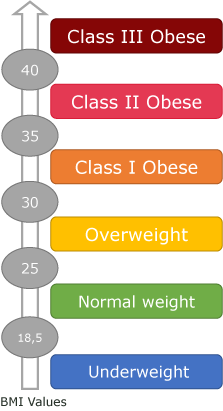
Body mass index (BMI) is a measure of body fat based on your weight in relation to your height.

It is calculated by dividing your weight in by the square of your height. You can used either metric units (kilograms and metres) or imperial/US measurements (stones and feet), just don’t mix the unit types. 


Although it is not perfect for everyone; BMI is a simple, reasonable indicator of body fat for both adults and children and is calculated the same way for men and women over the age of 20. 


Here is the table to classify your BMI

Being overweight or obese can increase your risk of developing heart problems, including aortic valve disease.

If your BMI score indicates that you are overweight, or obese, consider taking measures to get healthier and lose excess weight.

To start you can read the “Healthy diet” and “Physical activity” modules.

Ask your general practitioner or healthcare team about support and resources that are available to you in your area.  

Categories
Deutsches Herzzentrum Charité

DHZC-TAVI-E-06 What are blood lipids?

Lipids are a group of molecules with specific properties (e.g. they don’t dissolve in water).  Several different lipids are found in your body and blood.

The ones that are measured in routine blood tests to assess heart problems are called cholesterol and triglycerides.


Triglycerides are also commonly known as ‘fat’ (like the white rind on bacon or beef). It is used in your body as fuel to power muscles. It is also stored under the skin and around your internal organs. Too much ‘in storage’ can lead to obesity.

Cholesterol is used in all cell membranes, and for making hormones like oestrogen and testosterone. For most people, about 80% of the cholesterol in their blood is made by their own liver.


The remaining 20% comes from the food that they eat. Food like meat, poultry, eggs, fish and dairy products are very high in cholesterol. Foods that come from plant sources contain very little or no cholesterol.


What is good and bad cholesterol?

Because it does not dissolve easily in water, cholesterol cannot travel freely in blood. Instead, it is carried on special carrier proteins called lipoproteins.

Some of these lipoproteins deposit cholesterol in the blood vessels, and some of them actually ‘mop up’ excess cholesterol in blood vessels.

Too much cholesterol in blood vessels and in heart valves can lead to blockages and blood clots. The lipoprotein that collects the cholesterol and takes it back to liver is often called “good cholesterol”. The lipoprotein that drops off cholesterol is called “bad cholesterol”.  

Your health care team will talk to you about your cholesterol and will measure the amounts of these lipoproteins in your blood.


The medical terms used for good and bad cholesterol are: 

  • Low-density lipoprotein (LDL) (bad cholesterol)
  • High-density lipoprotein (HDL) (good cholesterol)

The second main type of lipids measured in your blood are called triglycerides (TG). TG are also used to make cell membranes and they are the type of fat that is stored under the skin, especially around the waist, stomach, buttocks and thighs.

Saturated TG are solid at room temperature and can be seen in meat (e.g. the white layer on bacon). These saturated fats release a lot of TG into your blood when you digest them.


Doctors are interested in the different levels of these lipids in your blood because changes in the ratios of different lipid levels are be associated with a very high risk of arterial stenosis as well as other cardiovascular diseases, and stroke.


Although your body makes most of its own cholesterol and stores TG fat, you can also change the levels of lipids in your blood by what you eat, and how you exercise because TG fats are also used as energy to fuel muscles. 


General guidelines for healthy cholesterol levels include:  LOCAL INPUT REQUIRE

  • Total cholesterol should be less than 200 mg/dL 
  • Low-density lipoprotein (LDL) or “bad” cholesterol should be less than 100 mg/dL 
  • High-density lipoprotein (HDL) or “good” cholesterol should be higher than 60 mg/dL 
  • Triglycerides should be less than 150 mg/dL 


There are several ways you can improve your blood lipid levels:  

  • Get at least 30 minutes of moderate physical activity every day, most days of the week. 
  • Eat a diet low in saturated fat and cholesterol.
  • Choose a diet that is rich in fruit, vegetables and whole grains. 
  • If you are not already at a healthy weight for your height, lose weight. 
  • Take cholesterol-lowering medication, such as statins, if you are advised to do so by your doctor.

Categories
Deutsches Herzzentrum Charité Hospital Demo España

DHZC-TAVI-E-05 Why does lifestyle matter?

Your lifestyle has a big effect on your ability to recover quickly from your procedure.

A healthy lifestyle can also help you to avoid coronary artery disease in the future since it reduces the risk of other atherosclerotic (where the blood vessels become damaged and blocked) conditions like stroke, heart failure and aneurysms (when the artery wall is weakened and bulges).


Below is a list of various risk factors for cardiac artery disease whose impact can be reduced by positive changes in lifestyle.

They include:

  • Smoking
  • Alcohol
  • Weight loss and weight management (including obesity)
  • A sedentary lifestyle
  • Blood Lipids
  • Hypertension (high blood pressure)
  • Diabetes (type 1 and type 2)
  • Obstructive sleep apnoea (OSA)

You can find information about each of these risk factors here in your library.